Outdated Marriage Beliefs Hide Sexual Abuse Among Older South Africans



Deeply rooted cultural beliefs that marriage grants automatic sexual rights are leaving many older South Africans unable to recognize sexual abuse within their relationships. Recent workshops in Gauteng have highlighted how these outdated norms, combined with shame and financial dependence, prevent victims from seeking help or understanding consent.
Deeply rooted cultural beliefs that marriage grants a spouse automatic sexual rights are leaving many older South Africans unable to recognize sexual abuse within their relationships. Recent workshops in Gauteng have highlighted how these outdated norms, combined with shame and financial dependence, prevent victims from seeking help or understanding consent.
The concerns emerged ahead of South Africa’s 16 Days of Activism campaign, which begins on November 25. The initiative aims to draw attention to forms of sexual violence that often remain hidden within long-term marriages and relationships among the elderly.
Discussions during sexual health workshops in Gauteng revealed a significant lack of understanding about consent. Some participants questioned whether an individual retains the right to refuse sex or withdraw consent once intercourse has begun. Valerie Mathandeki, a senior coach and facilitator for the Sexual Health for Older Persons (SHOP) initiative, noted that traditional beliefs often obscure violations of sexual rights.
"The legal idea that consent can be withdrawn at any time often shocks participants because they believe that it can have a negative impact on male health if it happens during the act of sex," Mathandeki said. She explained that some individuals struggle to distinguish between marital expectations and sexual coercion. Shame, financial dependence, and fear of losing relationships further discourage victims from seeking assistance.
Mathandeki emphasized that traditional cultural beliefs blur the lines of abuse. "Some cases of sexual abuse are not viewed as such, as the lines are blurred by traditional cultural beliefs that, by virtue of marriage, sex is owed to the spouse," she said. Communication remains a critical issue, with some older couples relying on unspoken signals rather than openly discussing sexual boundaries.
Beyond consent, the program has identified significant HIV risks among older adults who may underestimate their vulnerability to sexually transmitted infections. Data from the Human Sciences Research Council’s national HIV survey indicates that only 27.9% of men and 29% of women over the age of 50 with multiple sexual partners reported using a condom during their last sexual encounter.
Mathandeki stated that difficulties in negotiating condom use, alongside assumptions that HIV prevention primarily concerns younger people, leave older adults exposed. Access to healthcare has also become a concern, with participants reporting discouraging experiences when seeking sexual health advice.
One woman expressed frustration that her needs were overlooked due to her age. "Just because I am no longer reproductive, my vagina is still part of my body... it is still there!" she said. Mathandeki called for healthcare workers to recognize that sexual wellbeing remains important throughout adulthood. "Public clinic staff must be trained to recognise that sexuality remains an essential aspect of health throughout life," she added.
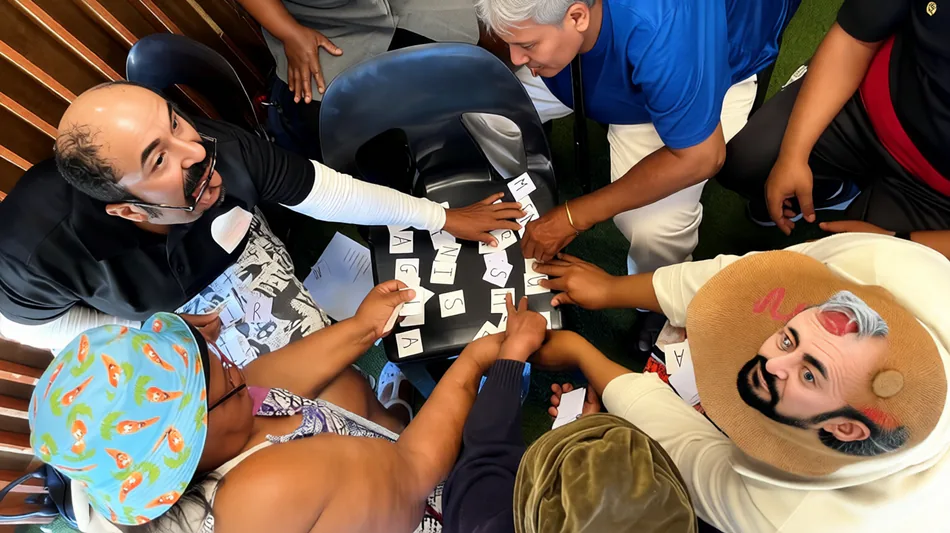
The workshops, held in Alexandra, Diepsloot, and Eldorado Park, are organized by the non-profit organization goGOGOgo in collaboration with Realize Canada and the South African Medical Research Council. The program targets adults aged 50 and older, addressing sexual consent, HIV prevention, relationships, and healthcare access.
Jane Simmonds, founder of goGOGOgo, said society’s assumptions about aging often overlook the continued importance of sexual relationships and intimacy in older people's lives. "Despite what many may think, getting older does not mean that you lose the desire for sex and intimacy," she said. "Our work gives older South Africans a room where they can ask questions and explore what sexual expression means at this point in their lives."
Simmonds noted that the program encourages older people to discuss subjects they might otherwise avoid due to embarrassment or fear of judgment. The workshops also address age-related changes, including menopause and medical conditions affecting sexual well-being. The initiative has extended its work to healthcare practitioners, encouraging more respectful conversations with older patients.
Discussions extend beyond participants, with grandparents encouraged to share information about consent, relationships, and safer sexual practices with younger generations. Simmonds said creating spaces where older people can speak openly about their sexual health is vital in challenging the silence surrounding sexuality in later life.
B.Mitchell--VC